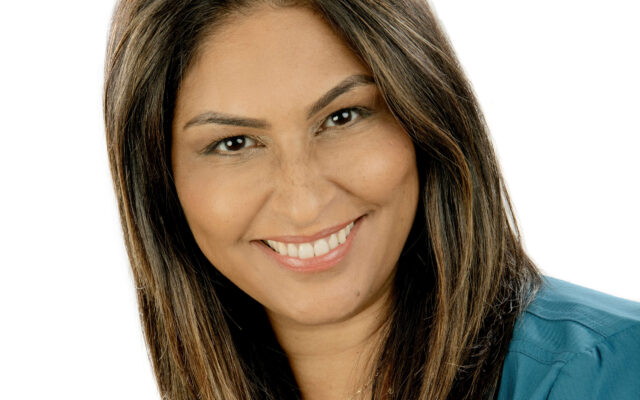
Speaker

Function First: A Kois-Inspired Day of Occlusal Diagnostics & Planning
This one-day programme is designed for dental practitioners who are committed to elevating their approach to occlusion, diagnostics and treatment planning through a functional, patient-centred lens grounded in the principles of the Kois system. Participants will explore how to assess, analyse occlusal parameters as part of treatment planning and design treatment plans that integrate functional occlusion, restorative and orthodontic collaboration, and long-term stability. Delegates will gain practical tools to enhance patient outcomes and support interdisciplinary care.
Key Learning Objectives
By the end of the session, participants will be able to:
- Perform a comprehensive functional occlusal assessment
- Recognise and quantify key occlusal and functional risk factors (eg: parafunction, muscle tone, TMJ loading, occlusal contacts, vertical dimension changes)
- Use diagnostic tools (such as mounted models, digital scans, functional records, and imaging) to map occlusal relationships and functional envelope
- Distinguish between stable occlusal design versus dysfunctional setups in the context of long-term prognosis
- Apply the Kois-inspired treatment planning workflow
- Interpret diagnostic information to formulate a functional occlusion-centric plan that integrates restorative and orthodontic modalities
- Structure the plan with clear phases—pre-restorative or orthodontic preparation, diagnostic wax or digital set-up, functional design, execution and maintenance
- Integrate interdisciplinary considerations into occlusion planning
- Collaborate effectively with orthodontic, prosthodontic, health specialists to enhance treatment outcomes
- Consider TMJ health in the occlusal design process to broaden the scope beyond teeth alone
- Design and implement sustainable long-term occlusal treatment outcomes
- Select appropriate materials, devices, and technologies (such as digital scans, articulators, splints) that support function-first occlusion design
- Reflect critically on their own clinical practice, identify improvement opportunities and plan for continued professional development in functional occlusion care
GDC Development Outcomes Alignment
- Outcome A (Effective communication): Participants will enhance their communication with patients and team by explaining occlusal risk, treatment rationale and consent in function-centric language.
- Outcome B (Effective management of self and others / team-working): The session fosters collaborative treatment planning across disciplines (restorative, orthodontic, myofunctional), promoting leadership in occlusal strategy.
- Outcome C (Maintenance and development of knowledge and skill in your field of practice): The day emphasises advanced skills in occlusal diagnostics, treatment planning and technologies—directly addressing clinical and technical areas of study.
- Outcome D (Maintenance of skills, behaviours and attitudes which maintain patient confidence in you and the dental profession and put patients’ interests first): By aligning treatment with functional stability, and long-term prognosis, the event reinforces ethical and patient-centred attitudes.