BACD 22nd Annual Conference

Home / BACD 22nd Annual Conference

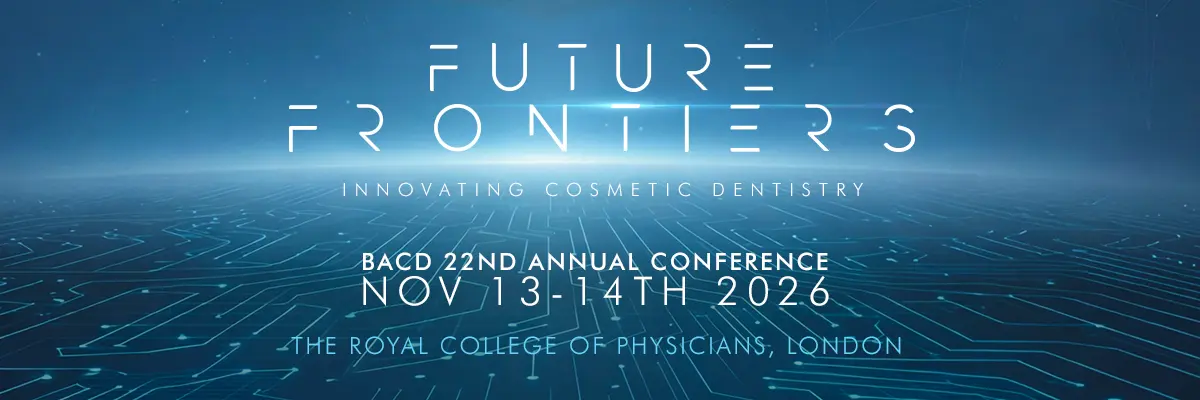
The 2-day BACD Annual Conference is where cosmetic dentistry comes together. Learn from internationally respected speakers, discover the latest techniques and innovations, earn valuable CPD, and connect with like-minded professionals. Leave inspired, better informed and equipped with practical ideas to enhance your dentistry and patient outcomes.

Only a total of 200 places available.

Headline speakers

We’re delighted to welcome two world-class headline speakers to the BACD 22nd Annual Conference:

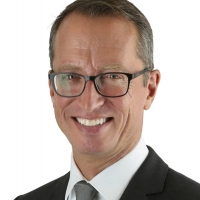
Professor Markus Blatz

Frontiers in Materials and Adhesion: Ethical Innovations for Enduring Excellence
An evidence-based exploration of hybrid ceramics, bonding advancements, and CAD/CAM integration from a world-renowned authority at the University of Pennsylvania School of Dental Medicine.
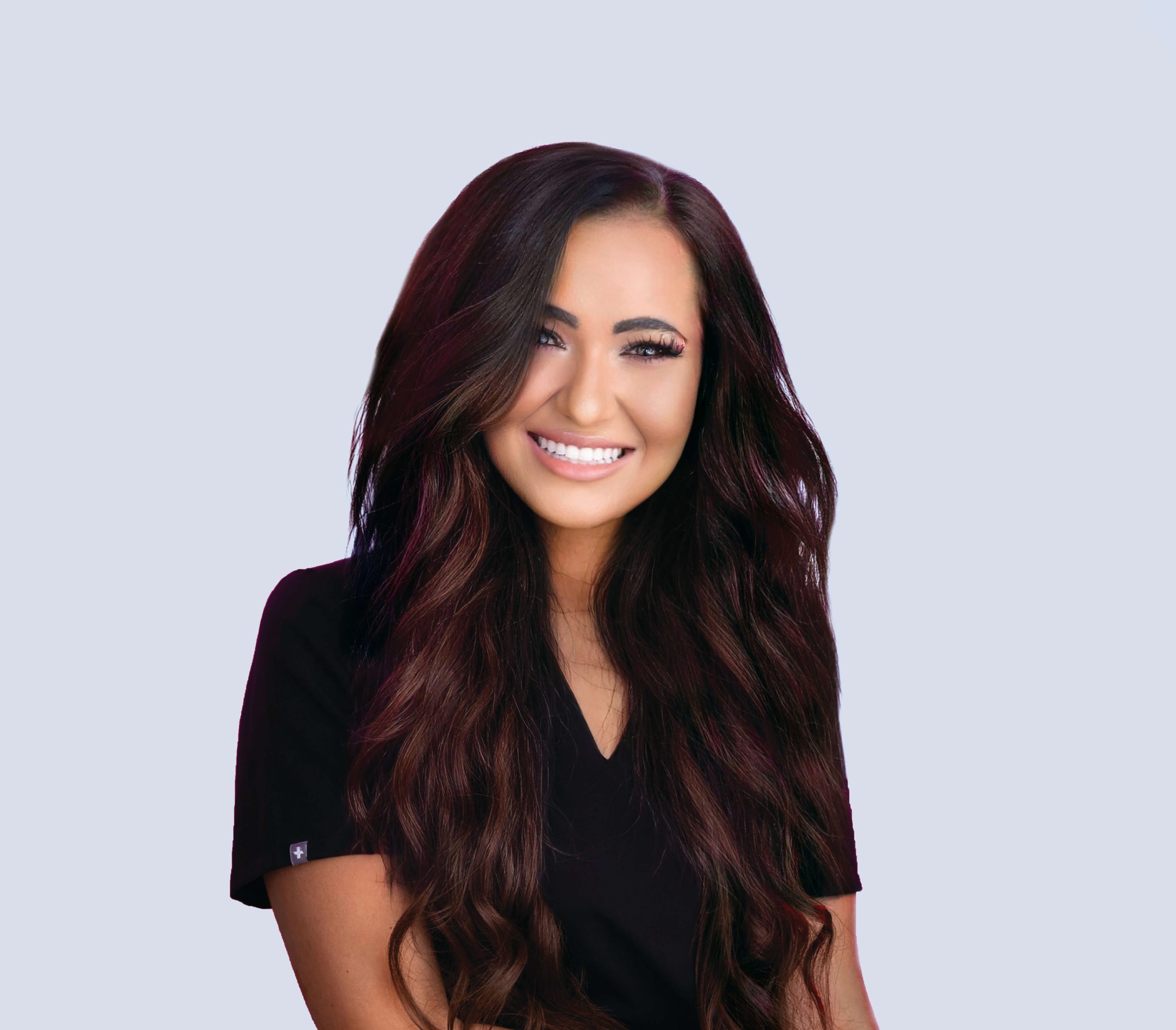
Dr Diana Tadros

The Digital Road to Treatment Success
A digitally-driven look at the innovative products and workflows shaping the future of cosmetic dental treatment, from an Accredited Fellow of the AACD and Kois Center-trained instructor

Make sure you don’t miss these must-see sessions

Friday 13th November Sessions

Morning Sessions

Dr Diana Tadros

Date: 13 November 2026, 9:00 am - 12:30 pm

This interactive, content-packed lecture guides participants through the full digital workflow—from designing cases with precision and bringing them to life with 3D printing, to presenting them in a way that truly connects with patients. We’ll cover how to maximize digital tools in everyday practice, simplify your workflow, and boost case acceptance through more engaging and confident treatment presentations for varying case types. Further, we will dive into how to translate your treatment plans and strengthen communication with your specialists and labs to achieve optimal results. Whether you’re just starting with digital dentistry or looking to sharpen your skills, this session is packed with practical tips, real cases, and ideas you can use right away.

Learning objectives

By the end of this course, attendees will be able to:

  1. Understand the key principles of digital dental design and how they translate into clinical practice.
  2. Navigate in-office 3D printing—from choosing the right printer to optimizing print workflows for various case types.
  3. Present treatment plans more clearly and confidently using digital visuals and tools.
  4. Build a seamless digital workflow that connects diagnostics, design, fabrication, and communication.
  5. Identify common challenges in digital adoption and learn how to overcome them in a general or specialty practice.

Afternoon Sessions

Dr Markus B. Blatz

Date: 13 November 2026, 1:30 pm - 4:30 pm

All the HOT TOPICS from A like “Adhesive bonding” to Z like “Zirconia”

The recent evolution in CAD/CAM, ceramic, and adhesive bonding technologies offers a whole new range of esthetic, less invasive, and long-lasting treatment options. However, there are still many questions:

How can I apply minimally invasive resin-bonded ceramic restorations such as laminate veneers and onlays successfully in my daily practice?

How can I select the best ceramic materials and protocols to achieve optimal esthetics?

How can I successfully integrate digital dentistry and chairside CAD/CAM
systems into my clinical workflow?

What are the best cements and bonding protocols for veneers, inlay/onlays, crowns, and bridges?

How to bond zirconia to make resin-bonded bridges and partia lcoverage
restorations that last?

And last but not least: is there any scientific evidence on all these topics?

This presentation will answer such questions based on sound science and provide a lavishly illustrated clinical update on esthetic treatment options with ceramics from conservative laminate veneers and posterior onlays to resin-bonded bridges. “Hot topics” such as digital smile design, minimally invasive preparation guidelines, new adhesive protocols, deep margin elevation, and evidence-based dentistry will be discussed: from A like “Adhesive bonding” to “Z like “Zirconia”.

Learning objectives

  • Differentiate modern ceramic materials and their indications
  • Learn about CAD/CAM technology and its diverse applications in esthetic dentistry
  • Understand strategies for success with ceramic restorations for teeth and implants based on the current scientific evidence
  • Comprehend clinical guidelines for long-lasting resin-bonded esthetic restorations from laminate veneers and onlays to resin-bonded bridges and implant-supported restorations

Saturday 14th November Sessions

Morning Sessions

Dr James Goolnik
Dr Paul Reaney

Date: 14 November 2026, 9:30am - 12:00 pm

The Future-Focused Cosmetic Consult: Risk, Biology, and Long-Term

Not Just a Pretty Smile: Cosmetic Dentistry as Preventive Medicine

Cosmetic dentistry is evolving fast, but the biggest frontier is not a new material or technique. It’s predictability. In this talk, James reframes aesthetic dentistry as preventive medicine: stabilising the biological drivers (caries risk, periodontal inflammation, airway and bruxism stress and lifestyle factors) so cosmetic work lasts longer and patients genuinely move towards better healthspan.

Learning Objectives
By the end of this session, delegates will be able to:

Recognise and manage key risk factors that compromise cosmetic outcomes (e.g., active caries risk, periodontal inflammation, erosive diet/snacking patterns, xerostomia, bruxism/wear, mouth breathing/sleep issues) and use these to plan safer sequencing. (GDC outcome C)

Communicate a prevention-first treatment pathway that supports valid consent and shared decision-making, including how to explain “disease control before elective care” in a motivating, patient-friendly way. (GDC outcome A)

Apply an ethical, patient-centred approach to elective dentistry by balancing patient goals with long-term stability, maintenance planning, and putting patients’ interests first when risk is high or compliance is uncertain. (GDC outcome D)

Wake up to Dental Sleep Medicine

Changing lives with every breath

Many of us place more importance on charging our mobile phone at night than recharging the most important digital technology we possess …….our brain!

During this session we will show how sleep is often the neglected foundation that supports our physical and mental wellbeing, allowing us to enjoy a good quality of life. It is only when we are sleep deprived that we appreciate how this compromises how we feel and negatively impacts our mood and personal relationships.

Sleep is often overlooked when we consider our quality of life and wellbeing. Sleep has significant relevance on our clinical accuracy as we strive to deliver care to patients and many dentists are unaware of the influence sleep has on the conditions we manage and treatments we provide.

As clinicians we attend many courses on treatments that we never experience personally ….yet we all experience sleep deprivation. 80% of patients with Obstructive Sleep Apnoea are undiagnosed, and many of these sit in our dental chairs each day……do you know how to identify if you, a family / team member or patient are undiagnosed and how to successfully manage their care?

Aims & Objectives

  • Appreciate the importance of good sleep for our personal health and quality of life.
  • Recognise how sleep deprivation compromises the accuracy of all our clinical workflows.
  • Understand what is Sleep Disordered Breathing (snoring & Obstructive Sleep Apnoea) and how it associates to many dental conditions such as dental erosion, bruxism, TMD, perception of pain, periodontal disease.
  • Confidence in successfully screening patients who are suitable for management in primary dental care.
  • The role of patient smartphone apps and wearable sleep monitoring devices.
  • Identifying patients to be referred to a medical colleague for investigation, diagnosis and treatment prescription.
  • Demonstrate the award winning clinical and laboratory pathway in patient care to deliver a Mandibular Advancement Appliance and manage appliance complications.
  • Medico-legal issues

Learning Outcomes

To provide an understanding of the role of the General Dental Practitioner in Dental Sleep Medicine in accordance with current guidelines, with an emphasis on digital workflow.

GDC Learning Outcome A, C, D

Dr Diana Tadros

Date: 14 November 2026, 9:30 am - 12:00 pm

This course will take you through the unparalleled power of digitally designing your own cosmetic wax-ups in the 3D realm during a consultation appointment utilizing exocad. From smile design concepts in the digital realm, patient and lab communication, to tips and tricks to setting up your cases for optimal results, learn about the power of functional mockups and logically driven treatment plans to drive patients to a more solid understanding of their treatment and occlusion, while designing esthetic cases that are built to last.

Learning Objectives:
• Understand the anatomy of the digital wax-up
• Understand how to utilize exocad for patient and laboratory communication
• Understand the basic functions of exocad design software

Supported by

Dr Jurgita Sybaite

Date: 14 November 2026, 9:30 am - 1:00 pm

This is a FULL-DAY WORKSHOP. Please book the morning AND the afternoon session when selecting your choices on Saturday

Most mistakes in anterior aesthetic composite cases stem from two predictable problems: overcomplicated layering and inadequate finishing. Beginners often attempt to recreate complex shade maps and multiple optical effects before mastering shape. The result is restorations that appear unnatural, grey or monotone.

Even when the layering itself is technically correct, failure to establish proper morphology and surface topography prevents the restoration from ever truly looking natural. This lecture addresses these issues directly through a simplified, shape-first approach.

Participants will learn how to simplify layering without compromising aesthetics, analyse where layering goes wrong, and understand how morphology, finishing and light reflection determine the final aesthetic outcome. The emphasis is on creating anterior composites that achieve anatomical and optical harmony, appearing as if they were created by nature.

Learning Objectives

  1. Identify common causes of aesthetic failure in anterior composite restorations, including inappropriate planning or sequencing, excessive layering, margin blending errors, incorrect shape and poor surface topography.
  2. Understand how a shape-driven approach can guide layering technique, shade selection and restorative sequence.
  3. Recognise how morphology, line angles, surface anatomy and texture influence light reflection and optical integration.
  4. Apply simplified layering principles without compromising natural aesthetics.
  5. Relate finishing and polishing protocols to the creation of more natural, invisible anterior restorations.

Building Upper Central: Minimal Layering, Maximum Morphology, Invisible Results

This hands-on session focuses on the build-up of an upper central incisor using a simplified, morphology-led composite protocol.

Delegates will begin by learning how to assess the tooth before treatment, identifying the key information that should guide material selection, layering sequence and restorative strategy. The session will then move into visual analysis of tooth form, including proportion, outline, line angles, planes, incisal characteristics and surface detail.

Particular emphasis will be placed on conservative marginal blending, allowing the restoration to remain minimal while integrating seamlessly with the natural tooth structure. Delegates will then complete a two-layer composite build-up, followed by a structured shaping, finishing and polishing sequence designed to create natural light behaviour and a life-like final result.

Although the exercise is centred on an upper central incisor, the wider aim is to teach a transferable decision-making and execution protocol that can be applied to other anterior aesthetic composite cases.

Learning Objectives

  1. Assess an anterior composite case before placement and use this assessment to guide the restorative sequence.
  2. Identify key morphological features that influence layering, shaping and finishing.
  3. Carry out a simplified two-layer build-up for an upper central incisor with a focus on natural aesthetics.
  4. Blend composite margins conservatively and predictably to support invisible integration.
  5. Apply a structured finishing and polishing protocol to refine form, surface anatomy and light reflection.
  6. Adapt the same clinical framework to other anterior aesthetic composite restorations.
Dr Jasmine Piran

Date: 14 November 2026, 9:30 am - 12:00 pm

Take control of your Invisalign cases with bespoke smile design and restorative planning by engaging fully with the latest digital innovations and Invisalign tools: future proof your skills for what lies ahead.

– Engage with the Invisalign Signature Experience and digital workflow to efficiently plan your cases from start to finish including Ortho-restorative workflows, digital 3D controls and Smile Architect (TM)

– Understand how to plan your cases yourself with maximum efficiency and predictability – avoid over complicating your cases to ensure optimum outcomes with predictable timelines

– Learn how to produce multiple treatment plans in minutes for maximum visual engagement, treatment uptake and consent for your patients

– Increase your engagement with digital workflows by experiencing the impact of in face visualisation yourself during the workshop and understand how to implement tools into your daily workflow in practice straight away

Dr Michael Gray

Date: 14 November 2026, 9:30 am - 12:00 pm

This is a FULL-DAY WORKSHOP. Please book the morning AND the afternoon session when selecting your choices on Saturday

Aims

  • To provide delegates with a predictable digital workflow for limited preparation ceramic veneers using the POISE Protocol
  • To improve understanding of case selection, treatment planning, and risk assessment for minimally invasive aesthetic dentistry
  • To demonstrate how digital workflows, smile design, and prototype techniques can enhance communication, efficiency, and clinical outcomes
  • To develop confidence in enamel-preserving preparation techniques and restoratively driven treatment planning
  • To integrate functional, aesthe
Dr Neil Harris

Date: 14 November 2026, 9:30 am - 12:00 pm

For years dentists have utilised specialist dental imaging and videography to transpose smiles, allowing patients to view their new smile.

Technology and software has continued to evolve within dentistry and it is now possible to 3D print additive veneers in a “trial smile”, allowing the patient to truly evaluate how the new smile will look, and also allowing the clinician to make adjustments before commencing with any laboratory or clinical work.

In this workshop we will work though an additive case for a patient:

  1. Completing a traditional smile design
  2. Using Exocad “Smile Creator” software we will then convert the 2D proposal to a printable 3D mesh
  3. The 3D smile design will then be printed on SprintRay 3D printers
  4. The case will then be placed onto models for adjustment and finishing

Learning Summary
This workshop explores the digital smile design workflow, demonstrating how traditional smile planning can be enhanced using CAD software and 3D printing. Participants learn how to convert 2D smile designs into printable 3D trial smiles, enabling improved patient communication, treatment planning, consent, and predictable aesthetic outcomes.

Session Aim
To introduce clinicians to digital smile design workflows and demonstrate how CAD software and 3D printing can be used to create trial smiles that improve patient understanding, treatment planning, and informed consent before definitive restorative treatment begins.

Learning Objectives

  1. Understand the principles of digital smile design and how it supports communication and aesthetic treatment planning
  2. Demonstrate how to convert a 2D smile design into a 3D printable model using Exocad “Smile Creator”
  3. Explain how 3D printed trial smiles can be used to assess aesthetics, adjust designs, and support informed patient consent before treatment

Supported by

DT Alina Ceclan

Date: 14 November 2026, 9:30 am - 12:00 pm

Join this dynamic, live demonstration workshop focused on one of the toughest challenges in aesthetic dentistry — matching a single central incisor in real time. Watch and participate as we capture precise shade data live with OptiShade StyleItaliano, generate instant AI-powered layering and staining recipes with Matisse, and bring the restoration to life with ultra-thin MiYO liquid ceramics.

This session delivers a complete digital-analog workflow that eliminates guesswork, reduces remakes, and produces lifelike results that integrate seamlessly with adjacent natural teeth. Perfect for dentists and technicians who want predictable, high-impact anterior aesthetics.

Learning Objectives
1. Live Digital Shade Capture Mastery: Perform real-time shade measurement of a natural tooth and preparation using OptiShade StyleItaliano, capturing accurate Lab*, value, chroma, hue, and opacity data, including integration with photography]

2. AI-Powered Recipe Generation with Matisse: Use Matisse software live to instantly create customized recipes for monolithic, micro-layering, and staining protocols that replicate natural tooth anatomy with precision

3. Characterization & Finalization with MiYO: Apply MiYO liquid ceramics for ultra-thin (0.1–0.2 mm) effects — including mamelons, halo, translucency, and texture — in a single firing to achieve vitality and depth that rivals traditional layered restorations on zirconia

The workshop includes live patient/tooth demonstration, interactive Q&A, case walkthroughs (single central focus), and practical tips you can implement immediately in your practice or lab.

Afternoon Sessions

Dr Stefen Koubi

14 November 2026, 1:30pm - 3:30pm

For the last fifteen years, partial bonded restorations have become the most aesthetic, biological and biomechanical solution to restore dental defects and mimic nature. At the same time materials, techniques and concepts brought us ways to offer contemporary dentistry to our patients. Dental manufacturers offer awesome products which need to fit with a precise methodology, and help offer solutions to the dentist and improve their daily life. The aim of this presentation will be to suggest a simple way of working and thinking which can be expressed in these 3 key words: simple, teachable and repeatable. Restoring teeth in the aesthetic zone is a daily challenge Laminate veneers are presented as a versatile tool to solve cosmetic problems but also functional problems (worn dentition). Worn dentition will also be presented using some original clinical protocols (full mock up technique). Redesigning the smile is not only an artistic performance related to highly skilled dentists (impossible to fit with everyday dentistry), but done in a predictable way using guided concept and techniques. These type of treatment use the same philosophy (minimal invasive approaches), the same bonded materials (CAD CAM material, press material), the same concept (visualisation, validation, navigation through the mock up), and the same clinical procedure (prep design, temporisation, cementation). Aesthetic dentistry becomes simple, digital, and most of all, accessible. Robotic dentistry is entering in a new phase where it is no longer a futuristic approach but already a clinical reality, bringing dentistry to the next level and changing both patient and dentist experience.  Quality of execution, digital workflow, safety and performance will be discussed. Learning Objectives:
  • recipes for designing a smile
  • a precise and repeatable method for managing simple and complex cases as well following a guided protocol
  • how to jump into digital dentistry from cosmetic
  • a clear understanding regarding the arrival of robotic dentistry with a new workflow
Dr Diana Tadros

Date: 14 November 2026, 9:30 am - 12:00 pm

This course will take you through the unparalleled power of digitally designing your own cosmetic wax-ups in the 3D realm during a consultation appointment utilizing exocad. From smile design concepts in the digital realm, patient and lab communication, to tips and tricks to setting up your cases for optimal results, learn about the power of functional mockups and logically driven treatment plans to drive patients to a more solid understanding of their treatment and occlusion, while designing esthetic cases that are built to last. Learning Objectives: • Understand the anatomy of the digital wax-up • Understand how to utilize exocad for patient and laboratory communication • Understand the basic functions of exocad design software Supported by
Dr Jurgita Sybaite

Date: 14 November 2026, 9:30 am - 1:00 pm

This is a FULL-DAY WORKSHOP. Please book the morning AND the afternoon session when selecting your choices on Saturday

Most mistakes in anterior aesthetic composite cases stem from two predictable problems: overcomplicated layering and inadequate finishing. Beginners often attempt to recreate complex shade maps and multiple optical effects before mastering shape. The result is restorations that appear unnatural, grey or monotone.

Even when the layering itself is technically correct, failure to establish proper morphology and surface topography prevents the restoration from ever truly looking natural. This lecture addresses these issues directly through a simplified, shape-first approach.

Participants will learn how to simplify layering without compromising aesthetics, analyse where layering goes wrong, and understand how morphology, finishing and light reflection determine the final aesthetic outcome. The emphasis is on creating anterior composites that achieve anatomical and optical harmony, appearing as if they were created by nature.

Learning Objectives

  1. Identify common causes of aesthetic failure in anterior composite restorations, including inappropriate planning or sequencing, excessive layering, margin blending errors, incorrect shape and poor surface topography.
  2. Understand how a shape-driven approach can guide layering technique, shade selection and restorative sequence.
  3. Recognise how morphology, line angles, surface anatomy and texture influence light reflection and optical integration.
  4. Apply simplified layering principles without compromising natural aesthetics.
  5. Relate finishing and polishing protocols to the creation of more natural, invisible anterior restorations.

Building Upper Central: Minimal Layering, Maximum Morphology, Invisible Results

This hands-on session focuses on the build-up of an upper central incisor using a simplified, morphology-led composite protocol.

Delegates will begin by learning how to assess the tooth before treatment, identifying the key information that should guide material selection, layering sequence and restorative strategy. The session will then move into visual analysis of tooth form, including proportion, outline, line angles, planes, incisal characteristics and surface detail.

Particular emphasis will be placed on conservative marginal blending, allowing the restoration to remain minimal while integrating seamlessly with the natural tooth structure. Delegates will then complete a two-layer composite build-up, followed by a structured shaping, finishing and polishing sequence designed to create natural light behaviour and a life-like final result.

Although the exercise is centred on an upper central incisor, the wider aim is to teach a transferable decision-making and execution protocol that can be applied to other anterior aesthetic composite cases.

Learning Objectives

  1. Assess an anterior composite case before placement and use this assessment to guide the restorative sequence.
  2. Identify key morphological features that influence layering, shaping and finishing.
  3. Carry out a simplified two-layer build-up for an upper central incisor with a focus on natural aesthetics.
  4. Blend composite margins conservatively and predictably to support invisible integration.
  5. Apply a structured finishing and polishing protocol to refine form, surface anatomy and light reflection.
  6. Adapt the same clinical framework to other anterior aesthetic composite restorations.
Dr Neil Gerrard
Dr Oliver Harman
Dr Ken Harris

Date: 14 November 2026, 1:30 pm - 3:30 pm

Aims

Review of the transition to the digital aesthetic dental age. How traditional evidence based successful analogue protocols can be converted to a digital world. Where digital is a massive leap forward in dental care and where it can still fall short.

Objectives

1. Review of areas that aesthetic restorative dentistry that digital dentistry impacts.
2. How the technical side of dentistry is mainly digital now as analogue technicians retire, and laboratories digitise their processes and staff. This is of the greatest challenges for both dentist and technician as clear communication can get lost in digital translation.
3. A review of analogue v digital smile design in facially generated smile design. Brilliant digital tools are now available but can design an outcome that is not achievable in the mouth.
4. How digital dentistry can support a minimally invasive approach to aesthetic dentistry: Align, Bleach and Bond.
5. How a standardised digital implant workflow can improve a patient’s outcome and the time to still go analogue for the ultimate aesthetics. (more for Neil as I don’t do much implant work now?)

Outcomes
Outcome C: Maintenance and development of knowledge and skill within your field of practice.

On completion of the session the attendees will be able to:

1. Recognise the benefits and pitfalls of using a digital aesthetic dentistry
2. When to use a pure digital workflow
3. When to use a hybrid approach using a traditional analogue approach with some digital steps
4. When to stick with a traditional analogue workflow

Dr Michael Gray

Date: 14 November 2026, 9:30 am - 12:00 pm

This is a FULL-DAY WORKSHOP. Please book the morning AND the afternoon session when selecting your choices on Saturday

Aims

  • To provide delegates with a predictable digital workflow for limited preparation ceramic veneers using the POISE Protocol
  • To improve understanding of case selection, treatment planning, and risk assessment for minimally invasive aesthetic dentistry
  • To demonstrate how digital workflows, smile design, and prototype techniques can enhance communication, efficiency, and clinical outcomes
  • To develop confidence in enamel-preserving preparation techniques and restoratively driven treatment planning
  • To integrate functional, aesthe
Dr Neil Harris

Date: 14 November 2026, 9:30 am - 12:00 pm

For years dentists have utilised specialist dental imaging and videography to transpose smiles, allowing patients to view their new smile.

Technology and software has continued to evolve within dentistry and it is now possible to 3D print additive veneers in a “trial smile”, allowing the patient to truly evaluate how the new smile will look, and also allowing the clinician to make adjustments before commencing with any laboratory or clinical work.

In this workshop we will work though an additive case for a patient:

  1. Completing a traditional smile design
  2. Using Exocad “Smile Creator” software we will then convert the 2D proposal to a printable 3D mesh
  3. The 3D smile design will then be printed on SprintRay 3D printers
  4. The case will then be placed onto models for adjustment and finishing

Learning Summary
This workshop explores the digital smile design workflow, demonstrating how traditional smile planning can be enhanced using CAD software and 3D printing. Participants learn how to convert 2D smile designs into printable 3D trial smiles, enabling improved patient communication, treatment planning, consent, and predictable aesthetic outcomes.

Session Aim
To introduce clinicians to digital smile design workflows and demonstrate how CAD software and 3D printing can be used to create trial smiles that improve patient understanding, treatment planning, and informed consent before definitive restorative treatment begins.

Learning Objectives

  1. Understand the principles of digital smile design and how it supports communication and aesthetic treatment planning
  2. Demonstrate how to convert a 2D smile design into a 3D printable model using Exocad “Smile Creator”
  3. Explain how 3D printed trial smiles can be used to assess aesthetics, adjust designs, and support informed patient consent before treatment

Supported by

Dr Peter Buchan
Dr Richard Coates

Date: 14 November 2026, 1:30 pm - 3:30 pm

We will be describing what accreditation will do for your career and details of the process and journey to accreditation.

Learning objectives:

1/ The participants will learn what the advantages of becoming an accredited member are

2/ The process and pathway to accreditation will be detailed – you will learn what we need from accreditation candidates and the clinical case types that are involved in your submission toward accreditation

3/ The attendees will understand by the end of the workshop the help, resources and mentoring they will receive on their journey

Only a total of 200 places available.

Key information/FAQs

Note: Member technicians attending one day only may book Saturday exclusively at £450 Friday single-day attendance is not available for this category

Here is a table of all our registration rates for all membership categories

Note: Member Technicians attending one day only may book Saturday exclusively at £450
Friday single-day attendance is not available for this category

The Headquarters Hotel is the Melia White House, which is located 10 minutes’ walk from the conference venue

Next to Regent’s Park, in the exclusive Marylebone district, the ASAH Álvaro Sans Arquitectura Hotelera studio has renovated this London hotel, transforming it into a modern version of a Grade II listed 1930s building, while preserving its Art Deco style.

Discover The Level, the premium service at Meliá White House, with exclusive benefits such as private check-in and flexible check-out, access to private spaces like The Level Lounge, and unique amenities in its superior rooms. A hotel with impeccable facilities and delicious dining options at ’35 Bar and Lounge and Arado Restaurant. Elevate your stay and enjoy an unforgettable experience at this iconic London hotel.

Meliá White House: Melia.com

Click here to book your room

We look forward to seeing you in London

Most ticket categories INCLUDE your Gala Dinner ticket. Please check carefully when booking. You only need to add further dinner tickets if you’re bringing a guest/guests

By train
London is very well served by train services from all over the United Kingdom. The nearest mainline stations are Euston, Marylebone, and King’s Cross St Pancras. We would recommend www.thetrainline.com for rail information

By underground
The nearest underground stations are Regent’s Park (Bakerloo), and Great Portland Street (Circle, Met, and Hammersmith and City)

By air
London has several major airports: Heathrow, Gatwick, London City, Luton and Stansted. We would recommend www.visitlondon.com/travel/getting_around for further information

If you have any special requirements, such as wheelchair access, or indeed anything else, please let us know in plenty of time

All cancellations must be notified in writing and received by THURSDAY 08 OCTOBER 2026. Cancellations received on or before this date will receive a refund less 25% administration charges. No refunds will be given after this date.

Continuing Professional Development

The annual conference qualifies for 6 (six) hours of CPD per day attended. All your CPD is online.  Evaluation forms will appear in your member dashboard after the event.  Once you have submitted your evaluation form, your certificates will be available to download. Please note your certificate will remain in your dashboard for 1 year (12 months), so we advise you download and save this!

Attending BACD Annual Conferences does not necessarily qualify you to integrate new techniques into your practice. The BACD expects delegates to rely on their clinical expertise and judgement before deciding whether they have received adequate training to implement any new technique or procedure in their practices and to seek additional training if necessary

Only a total of 200 places available.

British Academy of Cosmetic Dentistry (BACD), 167 – 169 Great Portland Street, London W1W 5PF.

Copyright © 2026 BACD. All rights reserved | Site Design by Digimax Dental

BACD
Upcoming Events